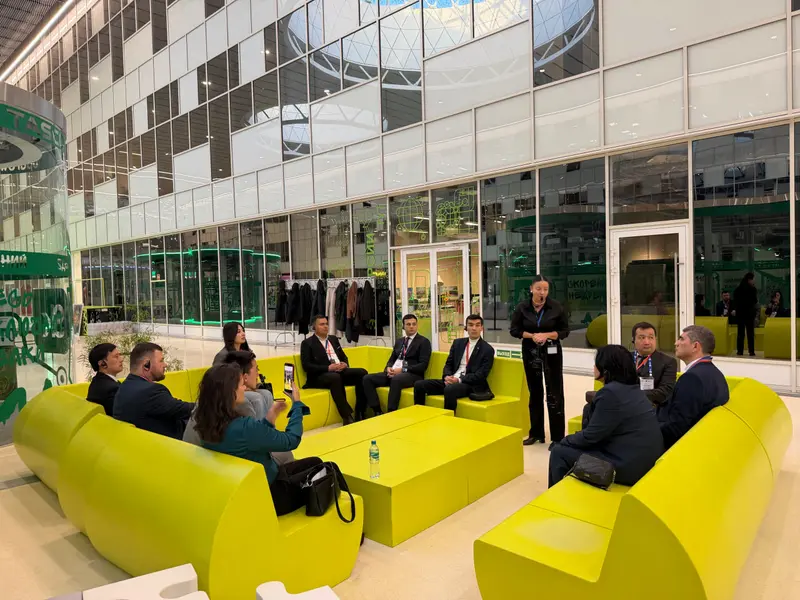


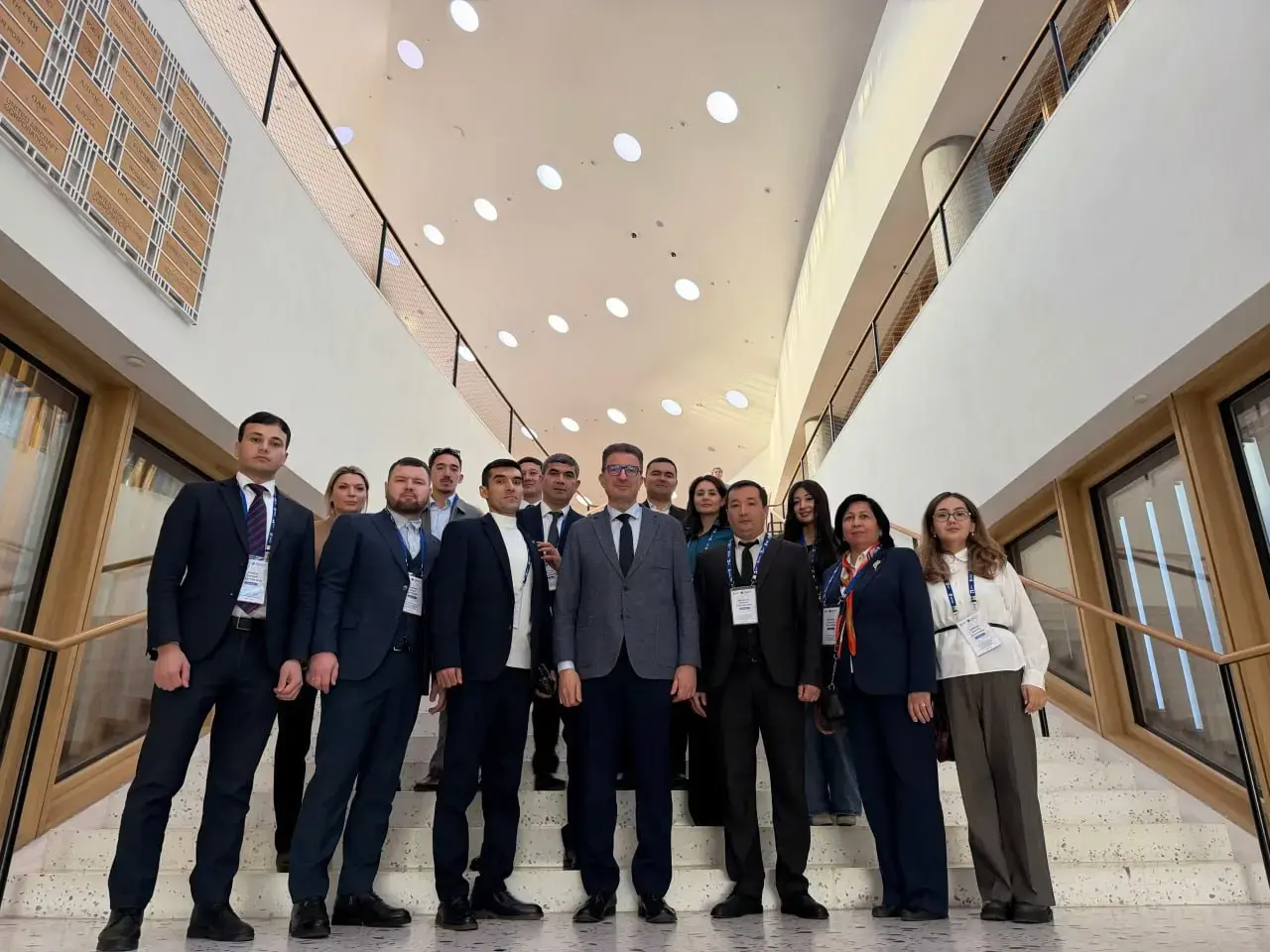
The educational visit began with a visit to the Skolkovo Institute of Science and Technology (Skoltech) and the Skolkovo Technopark.
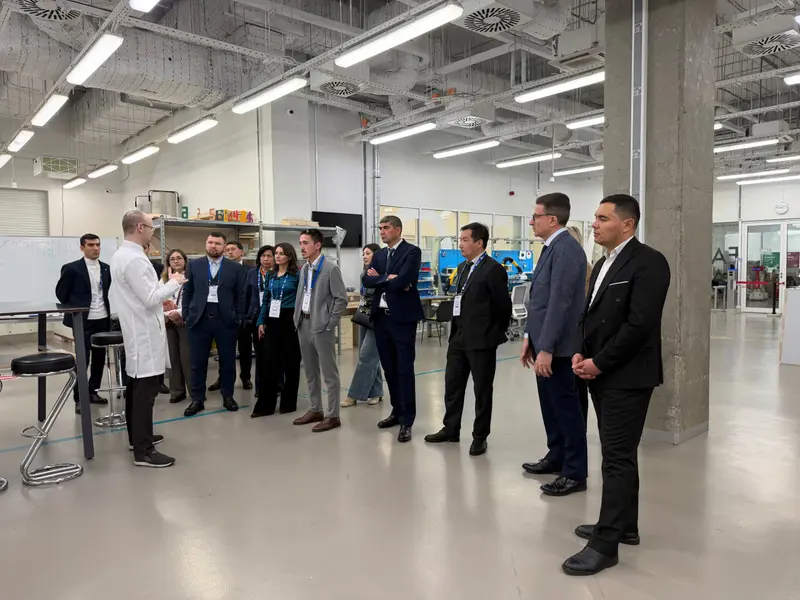
During the visit, participants explored the Skolkovo startup ecosystem, modern mechanisms for supporting innovative projects, and practical approaches to generating and developing new technological ideas. A particular highlight was the visit to the FabLab laboratory at Skoltech, where participants had the opportunity to see firsthand how ideas are transformed into working prototypes and brought into practical application.
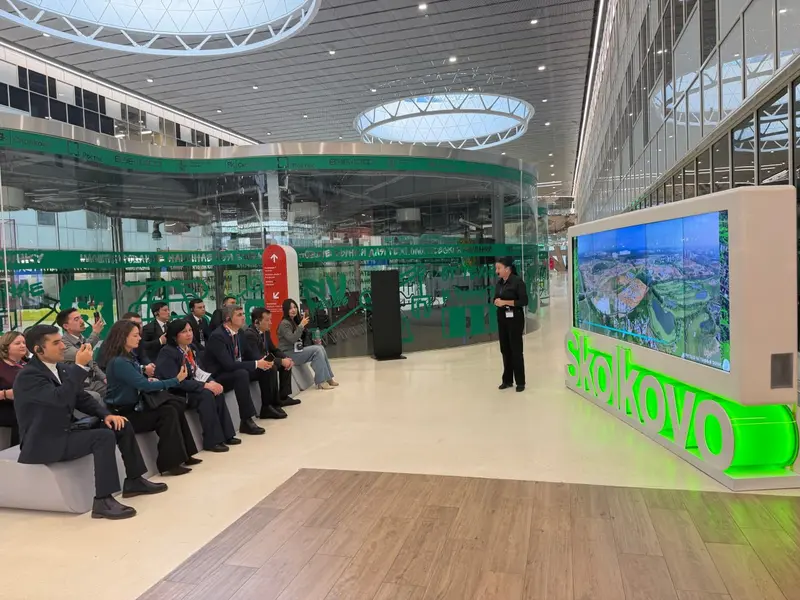
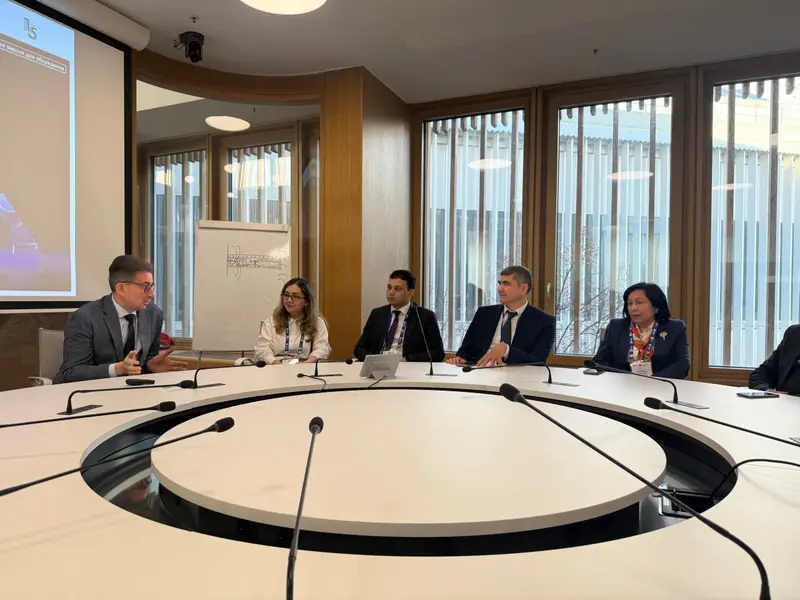
As part of the visit, a lecture and roundtable discussion were held with the participation of Alexey Yurievich Sitnikov, Vice President for Communications and Community Development at Skolkovo. The lecture focused on the topic of “The Model of Technological Sovereignty”.
The subsequent roundtable discussion addressed the importance of technological sovereignty for modern states, the potential of Russia and Uzbekistan to achieve technological independence, and promising areas for bilateral cooperation in this field.
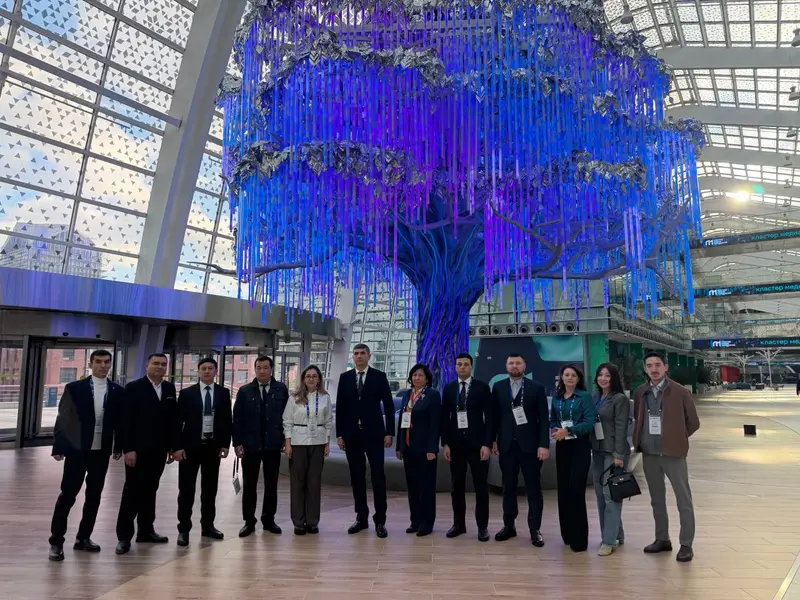
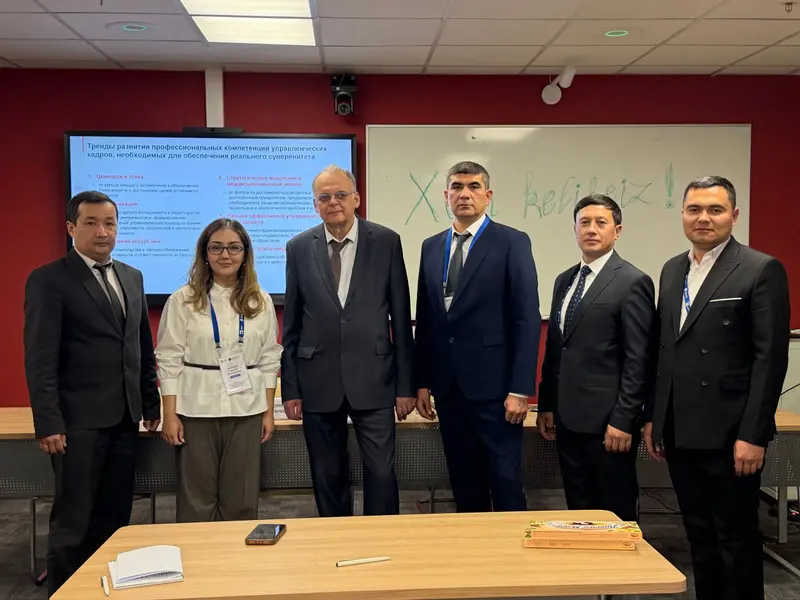
The next stage of the educational programme included a visit to the Russian Presidential Academy of National Economy and Public Administration (RANEPA). Representatives of GSBE and participants of the joint Master’s programme attended a lecture delivered by Andrey Markovich Margolin, Vice-Rector of RANEPA, Doctor of Economics, Professor, and Honoured Economist of the Russian Federation.
The lecture, entitled “Global Trends and Strategic Priorities for Sustainable Socio-Economic Development,” focused on current global economic trends, contemporary strategic challenges, and the priorities of sustainable development. Participants had the opportunity to gain deeper insights into current socio-economic processes from an expert perspective and discuss issues of particular importance for developing the strategic thinking and leadership capabilities of managers.
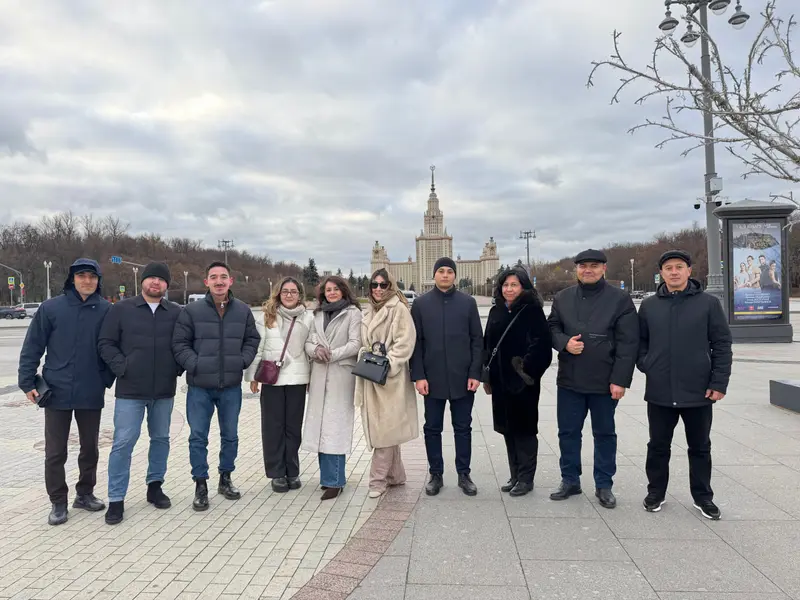
Such educational visits not only contribute to expanding professional knowledge and exploring leading international practices but also strengthen academic ties, develop managerial competencies, and create new opportunities for inter-institutional cooperation.