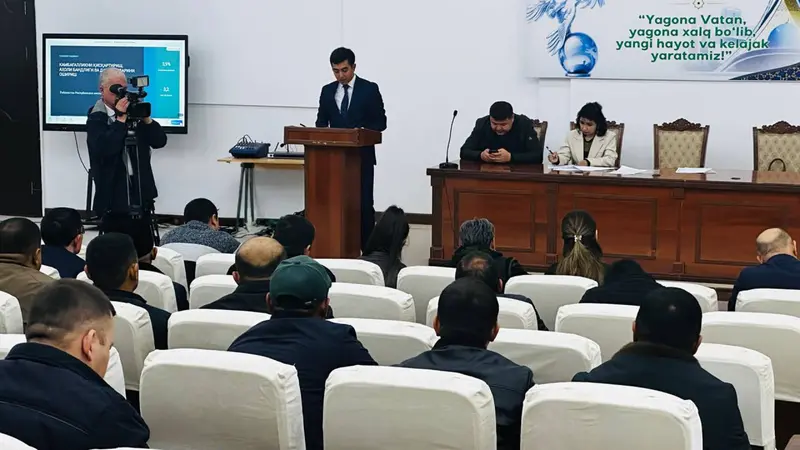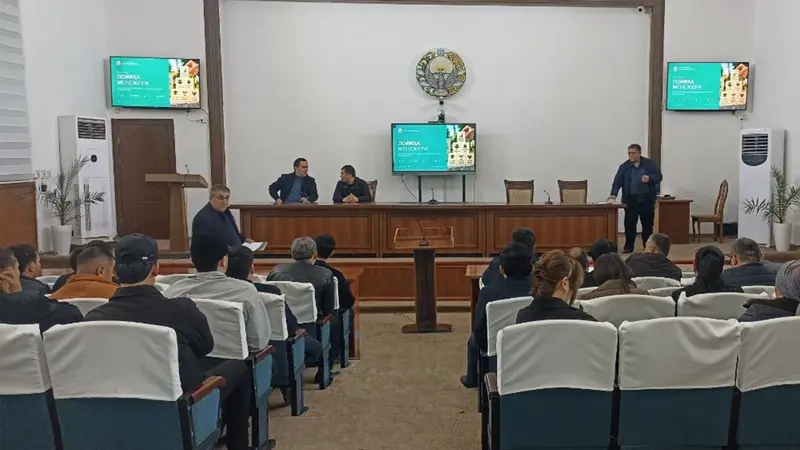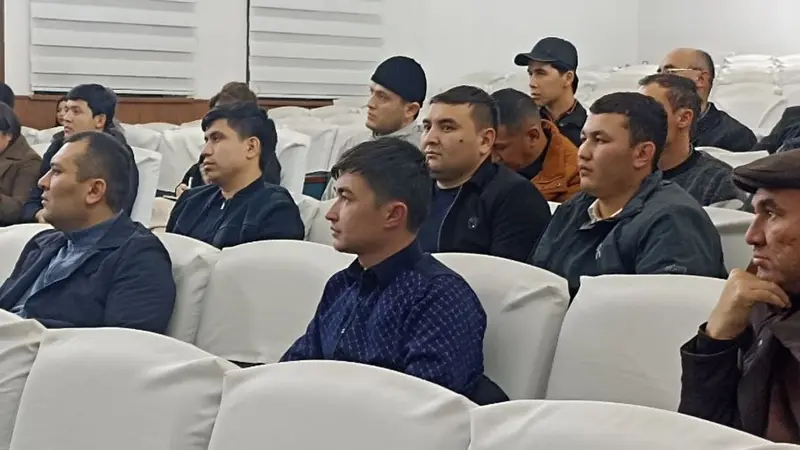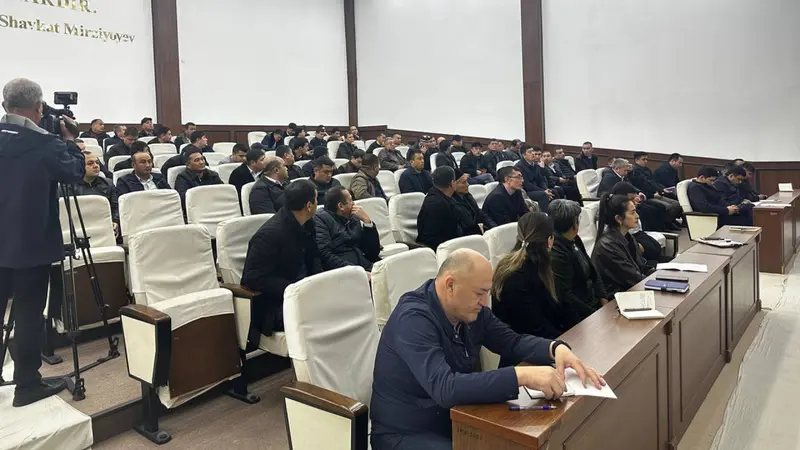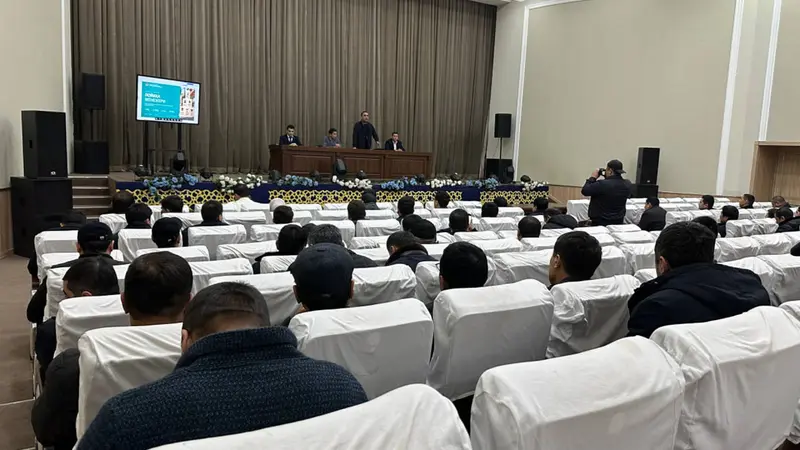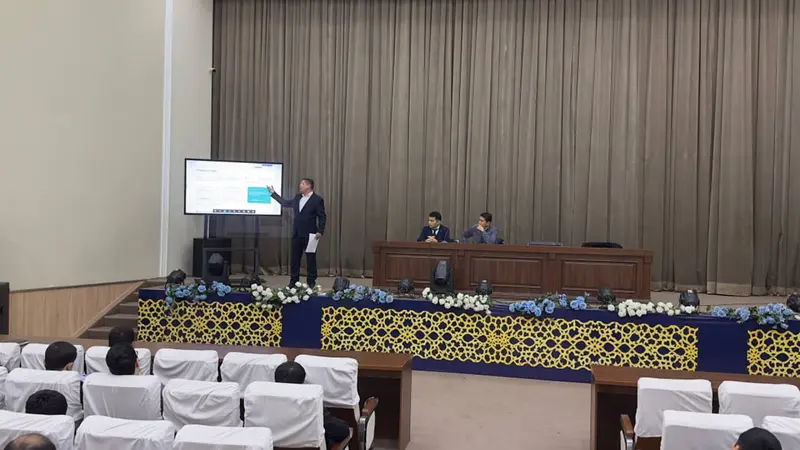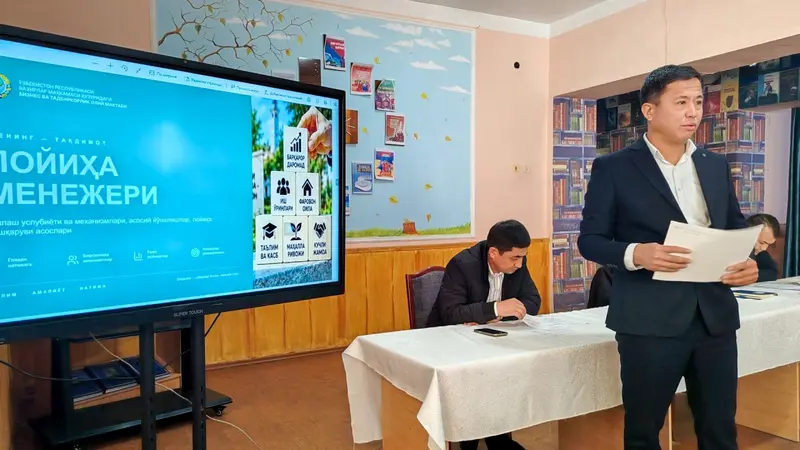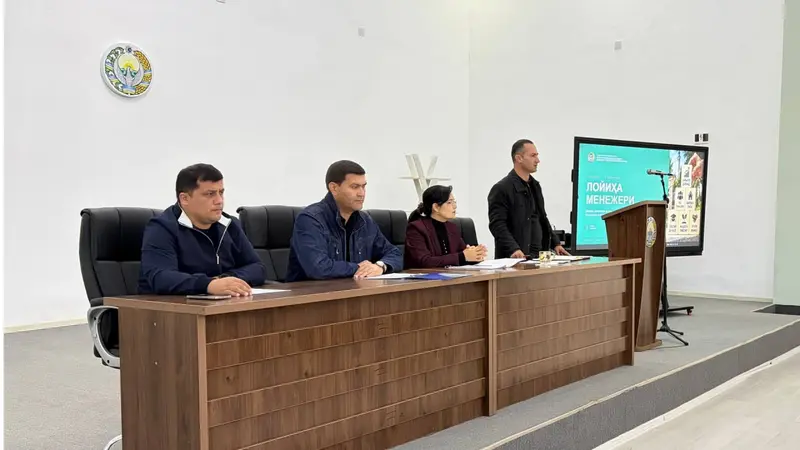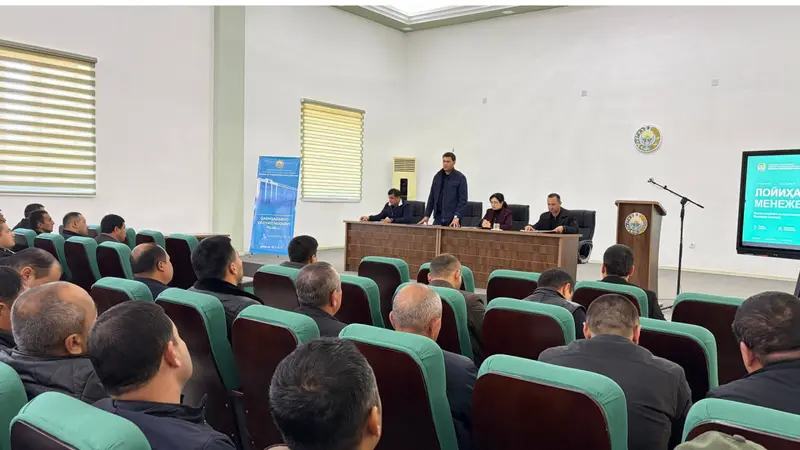


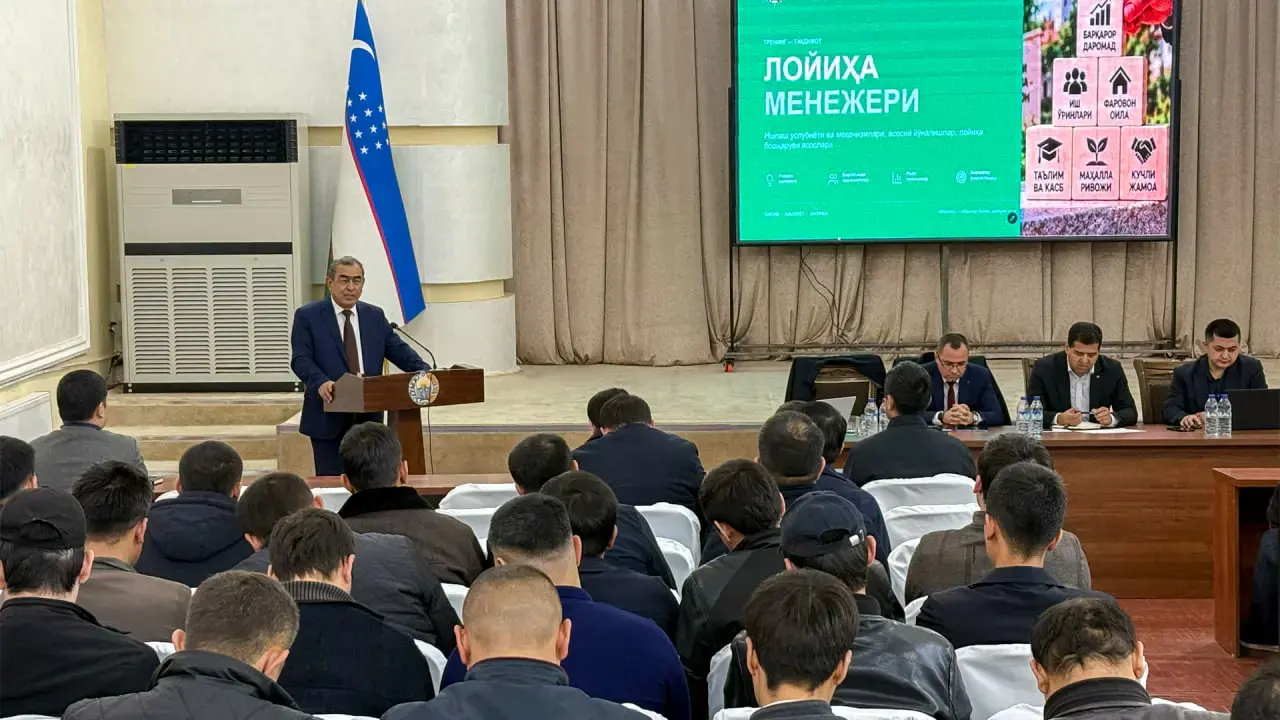
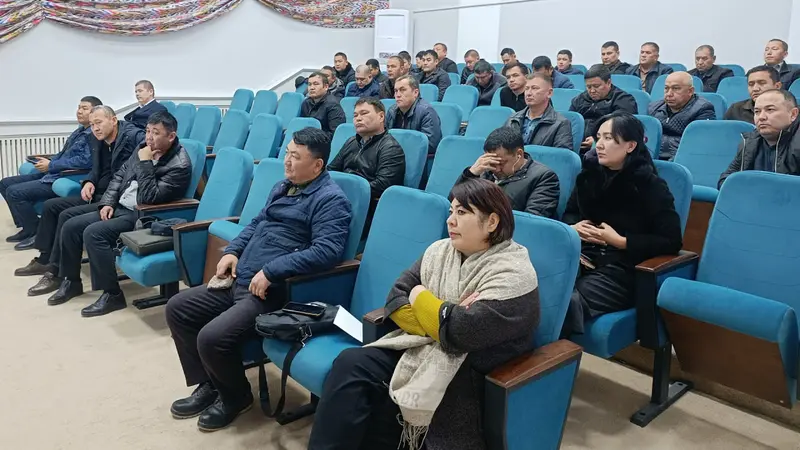
On November 16, 2026, the Graduate School of Business and Entrepreneurship under the Cabinet of Ministers of the Republic of Uzbekistan launched short-term professional development courses on “Project Management” for assistant hokims from Tashkent Region, the Republic of Karakalpakstan, Syrdarya, Kashkadarya, Samarkand, Andijan and Namangan regions. These training courses are planned to be conducted in all regions of the Republic.
The training has been organized to ensure the implementation of the instructions given by the Head of State at the videoconference meeting held on September 3, 2026, dedicated to advancing efforts to reduce poverty and increase household incomes to a new level, as well as to improving the effectiveness of assistant hokims’ activities.
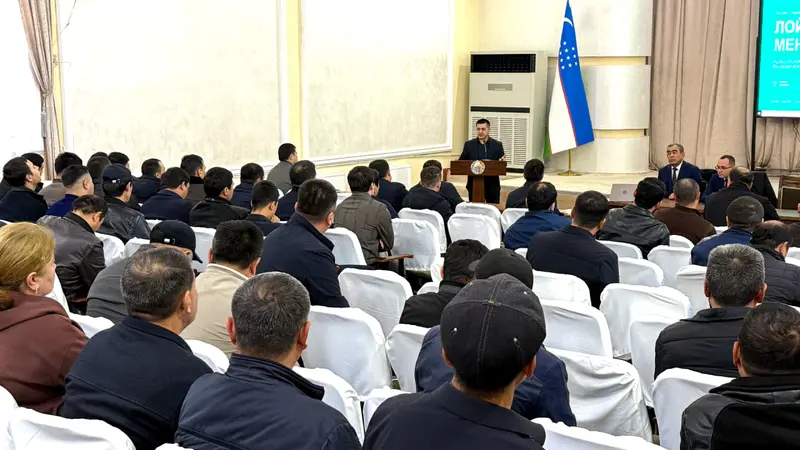
The main objective of the courses is to equip assistant hokims with the necessary knowledge and practical skills to identify existing challenges and opportunities at the mahalla level, transform identified needs into specific projects, plan their implementation, attract partners, and evaluate project outcomes.
The training programme covers three main modules. The first module addresses the concept of a project, identifying the root causes of problems, and algorithms for transforming them into project initiatives. The second module focuses on microproject planning, developing project profiles, and effectively managing resources and implementation timelines. The third module covers practical case analysis, financial calculations, and project performance evaluation.
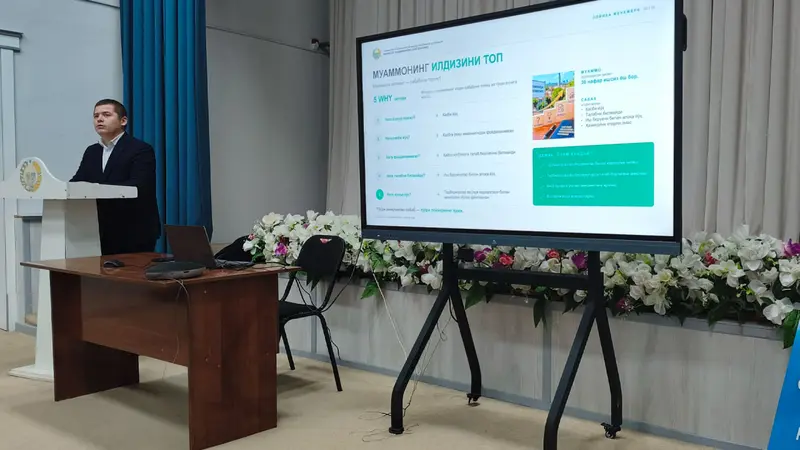
As part of the practical sessions, participants will work on the example of the “Results in 90 Days” project. In particular, they will learn how to allocate a budget of 120 million soums, calculate the cost of creating jobs, and develop and present microproject ideas based on challenges identified in mahallas. In addition, participants will develop practical skills in assessing project performance using KPIs and the “Traffic Light” method.
The training sessions are conducted by staff members of the regional branches of the Graduate School of Business and Entrepreneurship, combining theoretical instruction with a practical approach.
These training courses are expected to contribute to enhancing the professional capacity of assistant hokims, promoting the widespread introduction of a project-based approach at the mahalla level, developing entrepreneurship, ensuring employment, and improving the effectiveness of efforts aimed at reducing poverty.