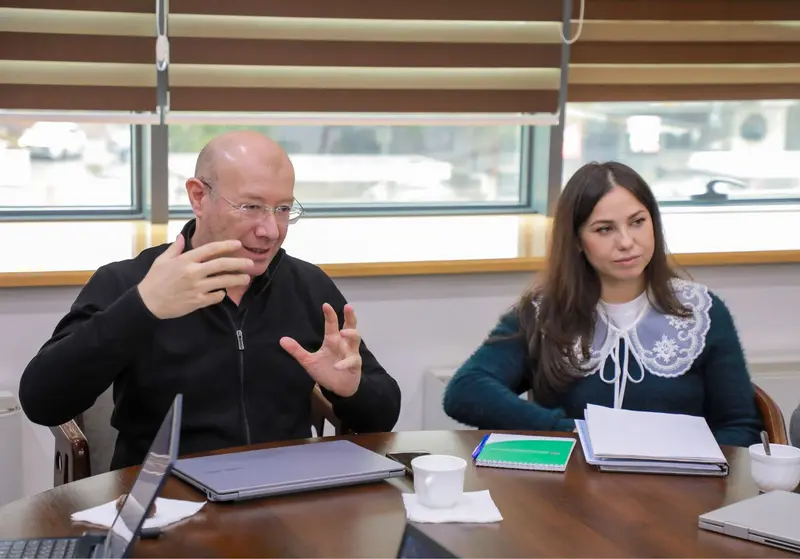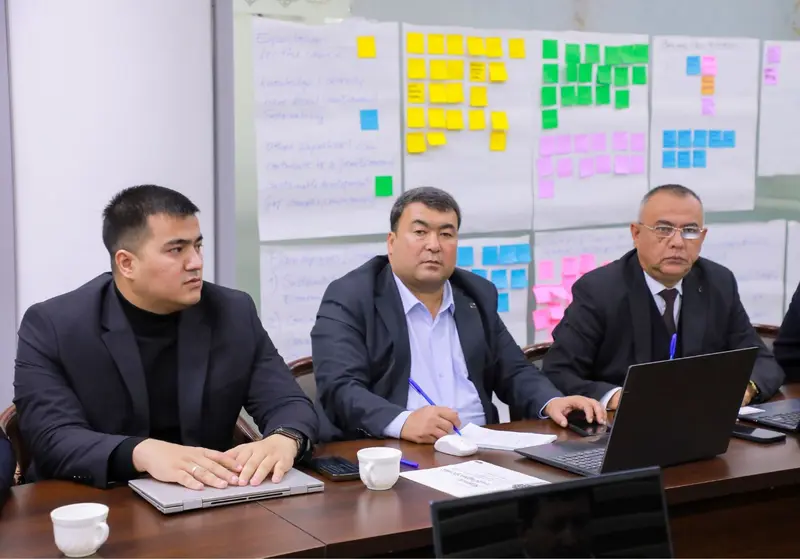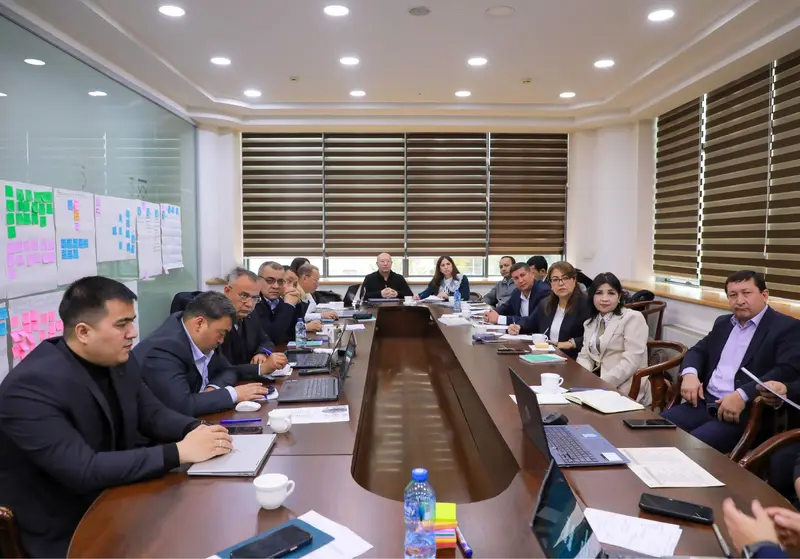


A five-day training seminar on the topic “Green Entrepreneurship as a Tool for Generating Income and Creating Employment in the Regions” has concluded at the Graduate School of Business and Entrepreneurship.
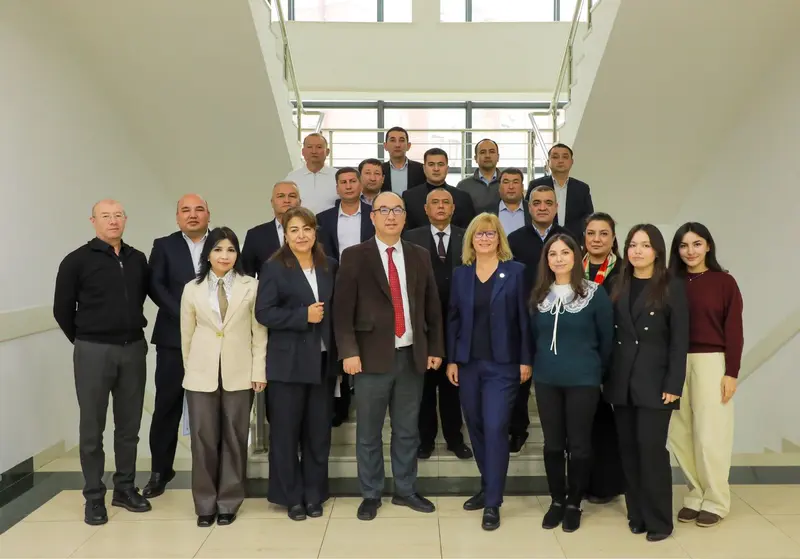
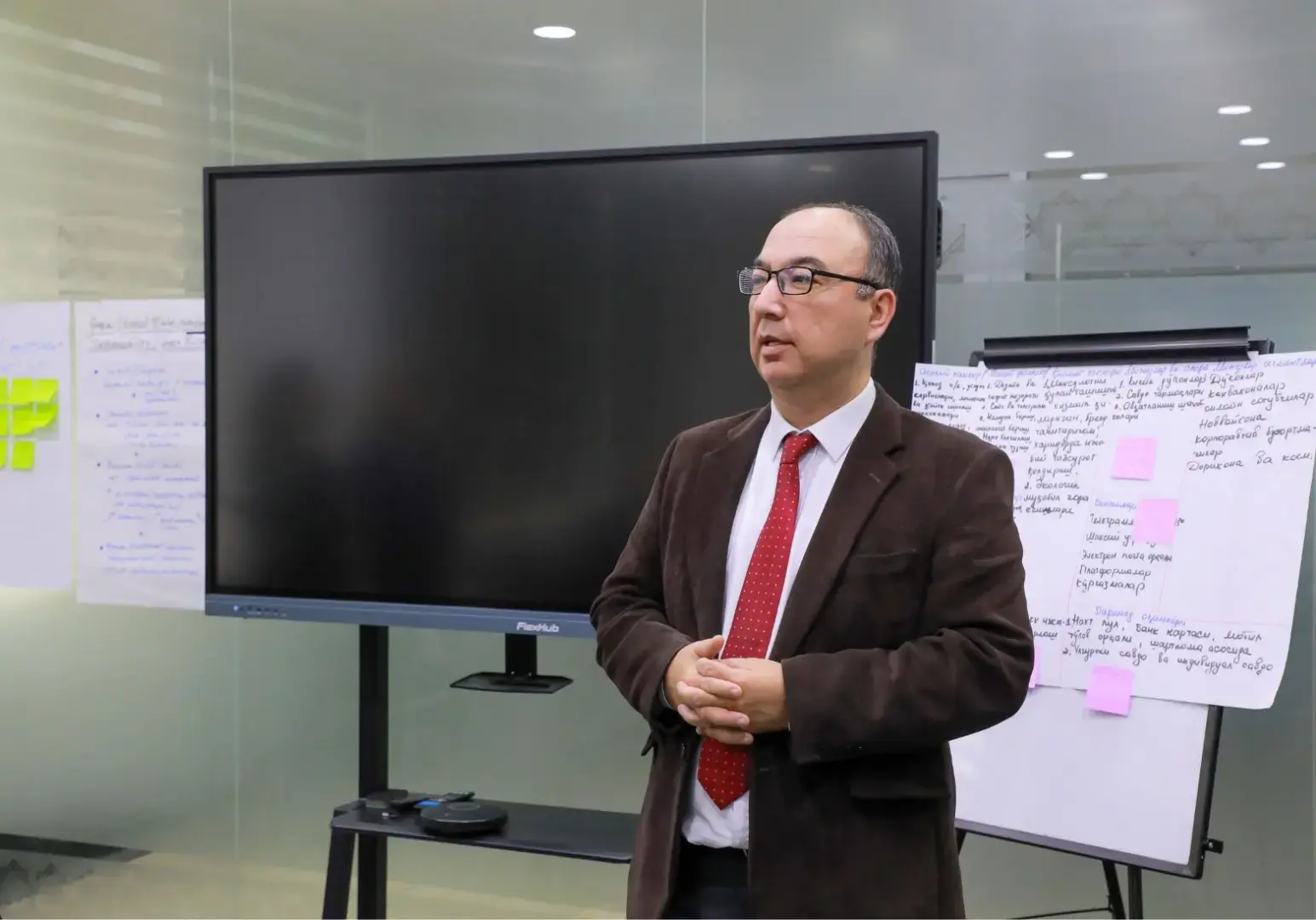
The seminar was held from 9 to 13 November and brought together faculty members of the Graduate School of Business and Entrepreneurship, as well as representatives of its regional branches. The training sessions were led by Bianca Donicke, an expert from Germany’s Senior Experten Service (SES) and a specialist in green economy and sustainable development.
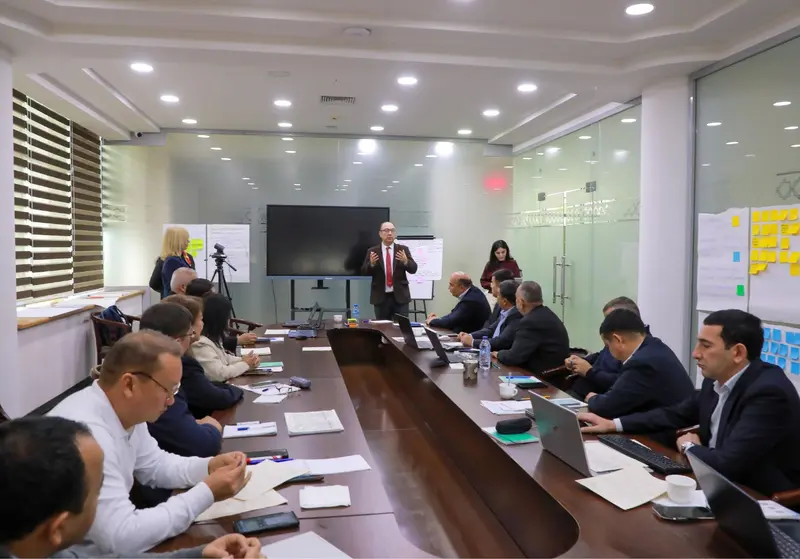
Over the five days, participants strengthened their knowledge and practical skills in applying green economy principles in regional contexts, making efficient use of available household and small business resources, developing green business models, and transforming them into practical projects.
During the first days of the seminar, participants discussed global economic growth and sustainable development, global crises (energy, food, water, climate and financial crises), green and circular economy, the use of natural resources, ESG principles, and existing challenges in the regions. Practical sessions were also held on integrating household resources into regional value chains, identifying local challenges, and exploring business opportunities based on local needs and available resources.
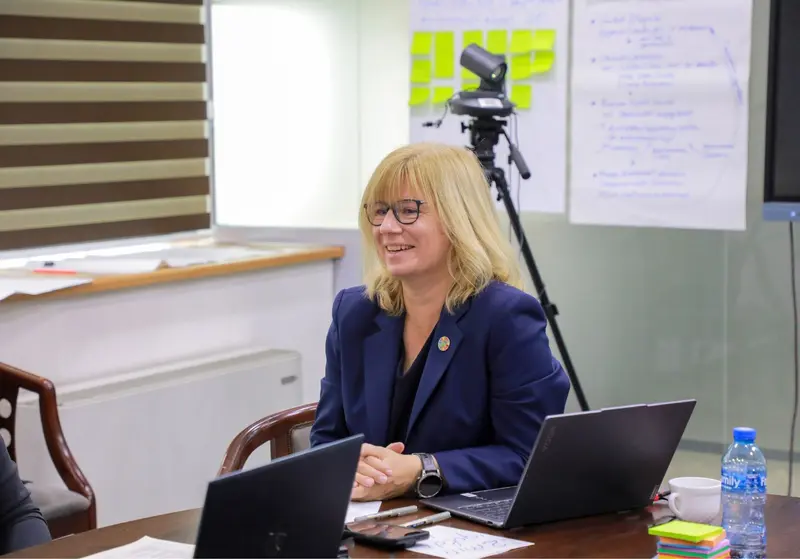
Throughout the seminar, participants also gained insights into changing international market requirements, the European Union’s Green Deal, the Carbon Border Adjustment Mechanism (CBAM), ESG requirements, and the impact of green technologies and innovations on the competitiveness of small businesses.
An important part of the training was devoted to the development of specific green business projects by the participants. In particular, the sessions covered the development of microbusiness projects in such areas as agriculture, product processing, waste recycling, ecotourism, and environmentally friendly products. Participants also examined how to assess these projects in terms of raw material availability, market demand, and local needs.
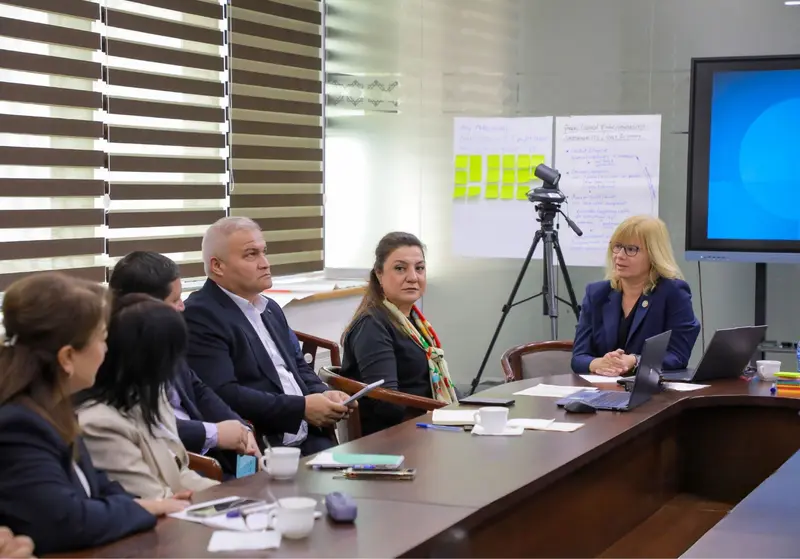
During the final sessions, participants presented the green projects they had developed. The projects were evaluated based on criteria such as economic efficiency, cost reduction, income generation and the creation of new jobs, resource conservation, and social benefits. The expert provided feedback and practical recommendations on the proposed projects.
The seminar also addressed the integration of the knowledge and practical approaches acquired into the Graduate School’s training courses and regional training programmes. This will make it possible to apply the seminar outcomes not only in the participants’ professional activities but also in educational and advisory work with entrepreneurs and local communities across the regions.
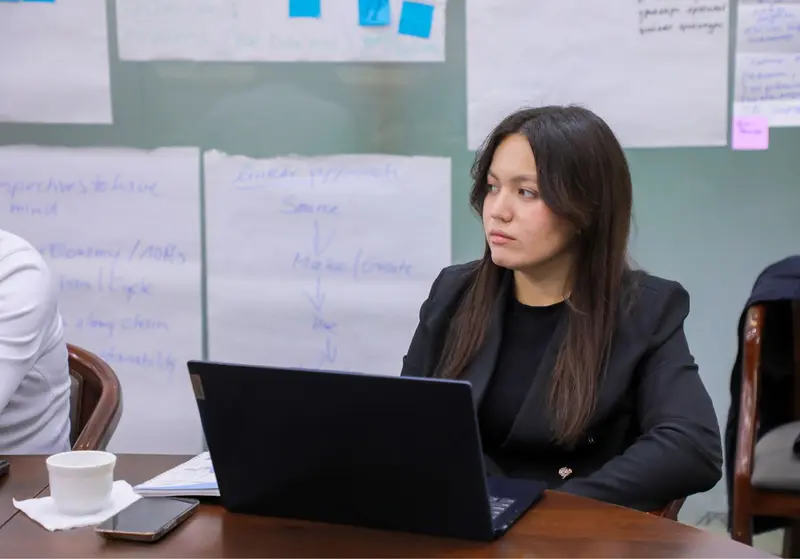
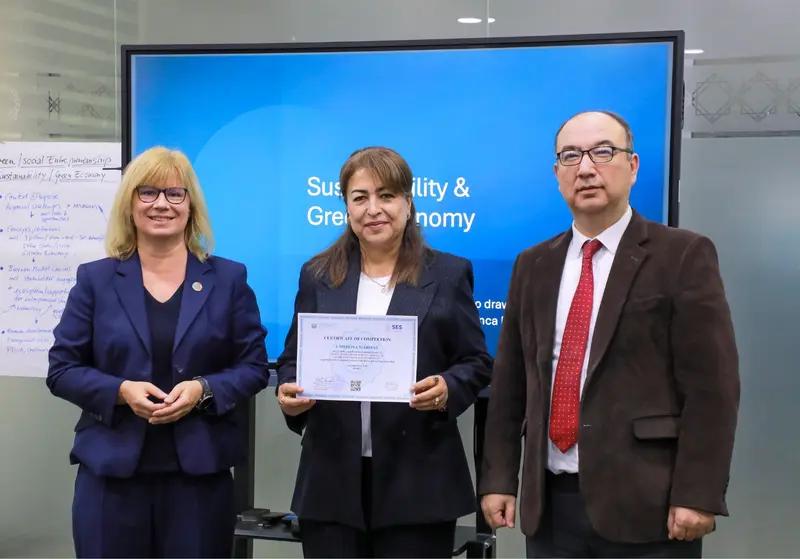
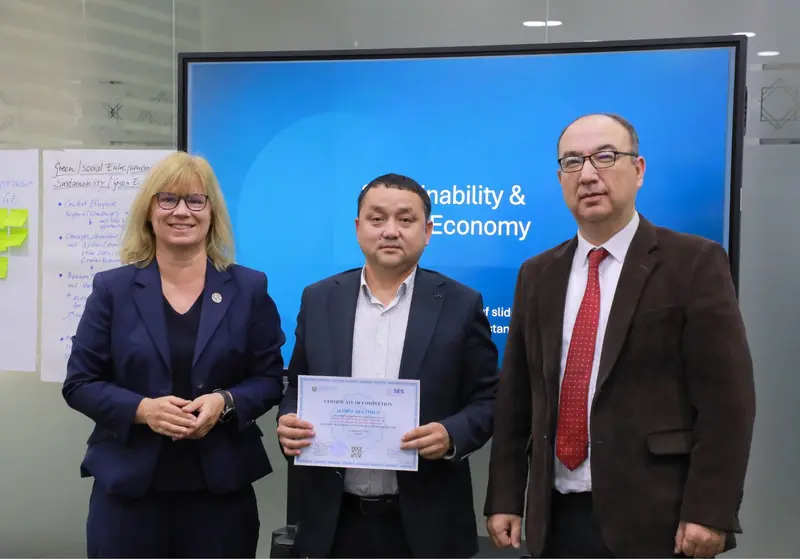
At the closing ceremony, participants who successfully completed the seminar were awarded certificates. The certificates were presented by SES expert Bianca Donicke and representatives of the Graduate School of Business and Entrepreneurship.
The seminar, aimed at enhancing the practical capacity of the Graduate School’s specialists in green entrepreneurship and sustainable development, adapting international experience to regional conditions, and promoting the rational use of local resources, will contribute to the development of new business opportunities in the regions.