


The transition to a green development model is increasingly viewed through the lens of transforming entrepreneurship and building a sustainable business architecture at the local level.
Efficient use of water, energy and raw materials reduces costs for enterprises, recycling returns waste to economic use, and products made in line with environmental and social standards gain access to new markets.
At the same time, foreign buyers are tightening their requirements regarding the origin of raw materials and the conditions under which goods are produced. The EU Carbon Border Adjustment Mechanism (CBAM) and ESG standards are making their way into international trade, so it is important for domestic producers to prepare for them in advance.
The green economy also opens up new opportunities for the regions. Household resources, agricultural produce, processing waste, crafts and the natural assets of each area can form the basis of small businesses that generate income and jobs locally. This calls for specialists who can show entrepreneurs and residents where to start such a venture.
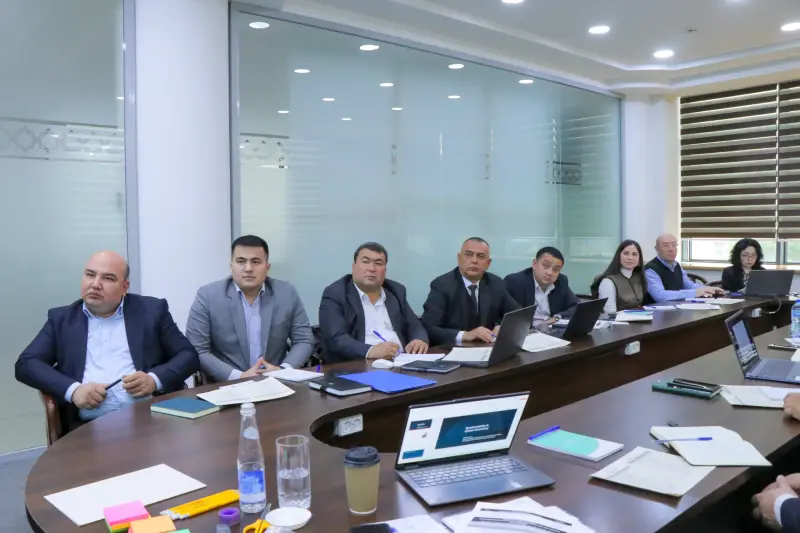
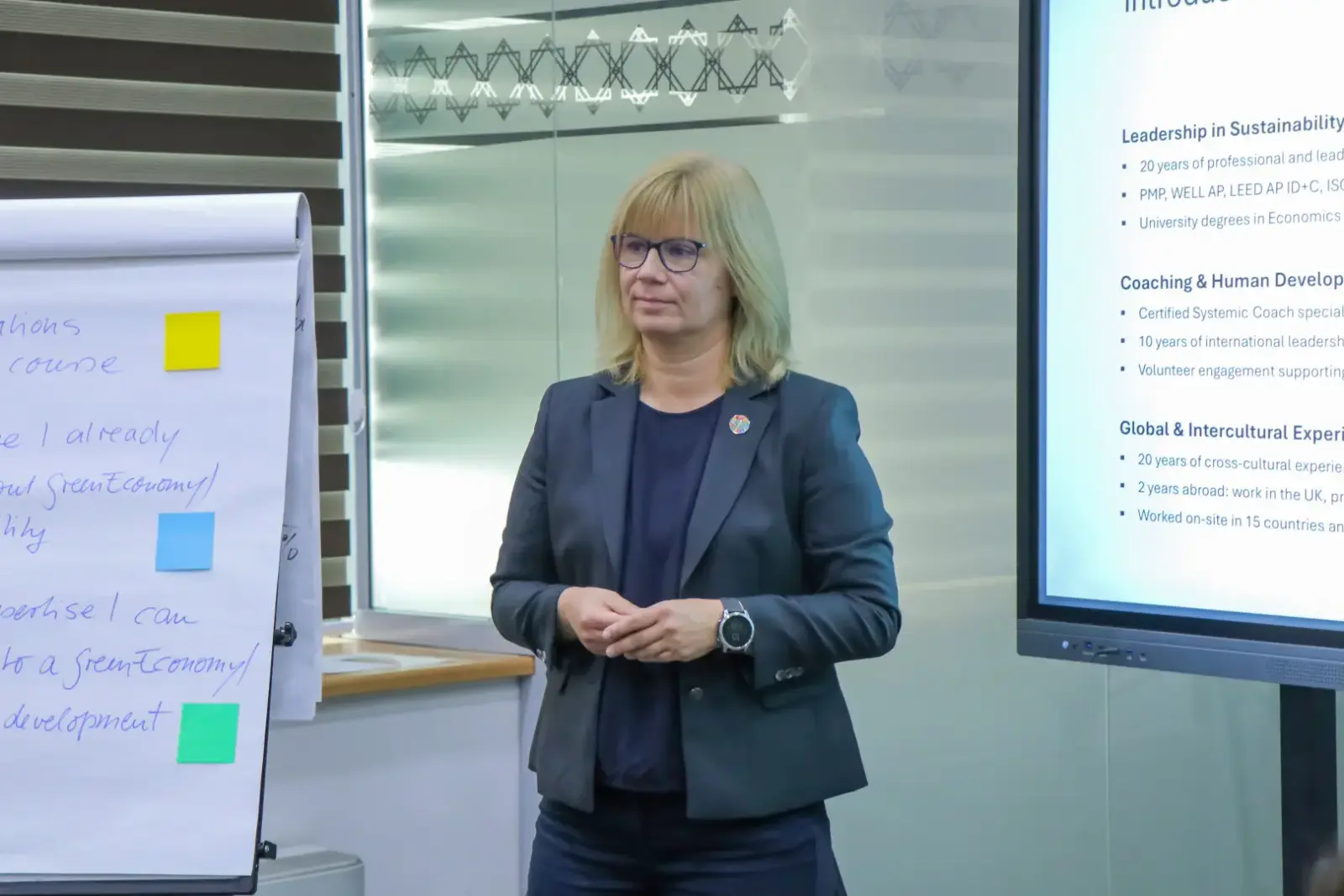
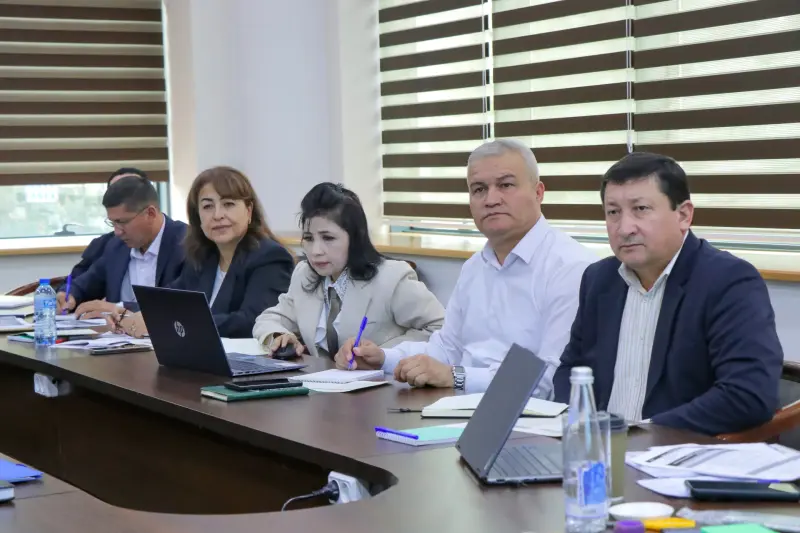
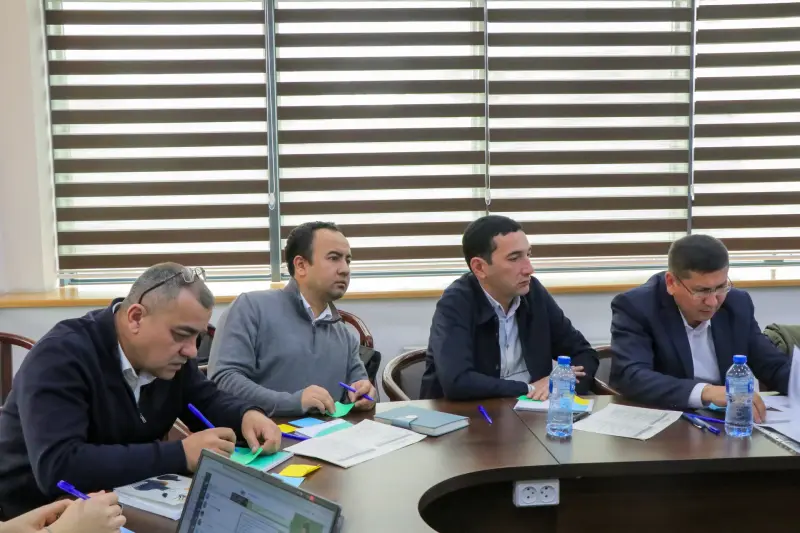
The Graduate School of Business and Entrepreneurship has launched a week-long program to prepare such specialists under the title “Green Entrepreneurship as a Tool for Generating Income and Employment in the Regions”, running from 9 to 13 November.
The sessions are led by Bianca Donicke, a prominent German expert on the green economy and sustainable development. The training brings together professors and lecturers of the Graduate School as well as representatives of its regional branches.
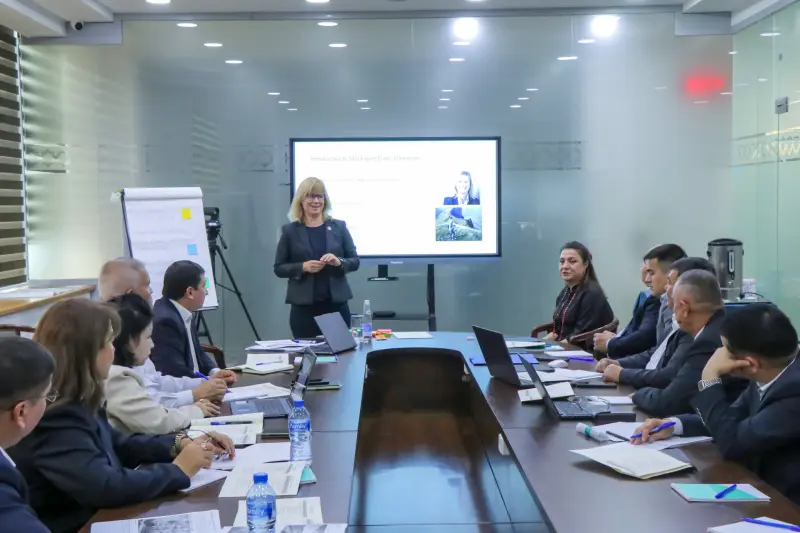
Its aim is to deepen professional knowledge of sustainable development and to identify ways of applying it in lectures, workshops and advisory work with entrepreneurs and households in the regions. Topics include the green and circular economy, the involvement of households in regional development, and the design of green business projects for small enterprises.
The success of the green transition in the regions depends largely on how far local businesses and residents are engaged in this process. Building the capacity of faculty and staff at the Graduate School and its regional branches in this area will lay the foundation for systematic support for entrepreneurs who are ready to base their businesses on the efficient use of resources.
It is precisely such specialists who can bridge the gap between the general principles of the green economy and solutions that small businesses can apply in their everyday practice.
The particular value of the training lies in adapting international experience to the conditions of the regions. Households and small businesses account for a large share of economic activity there, so green solutions need to be simple, affordable and tied to local resources. The participants spend the week working on models of exactly this kind.
Green entrepreneurship also makes direct economic sense. Processing local raw materials and waste, ecotourism and crafts help retain value added within the region, reduce reliance on resources brought in from outside, and create employment where the choice of jobs is limited.